Things you should consider when purchasing a hydraulic cylinder:
- The force required;
- The operating speed;
- Rod buckling forces;
- Hoop strength;
- Accuracy of movement;
- Cushions;
- Operating temperature;
- Type of fluid used; and
- Other system requirements.
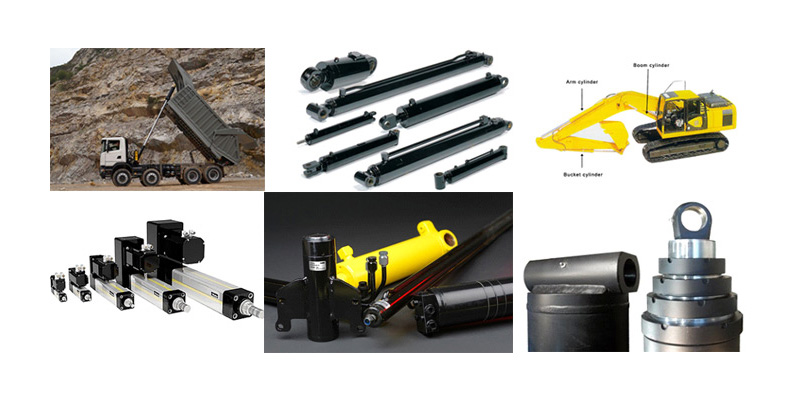
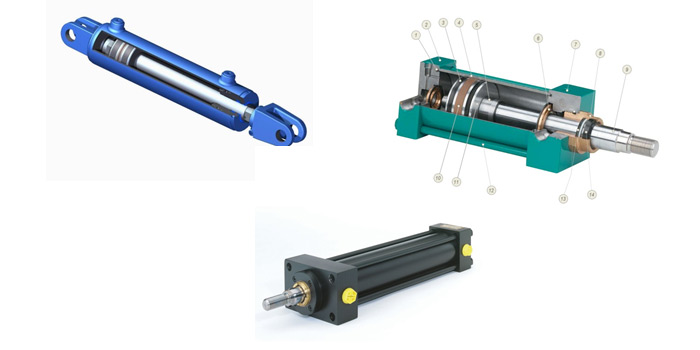
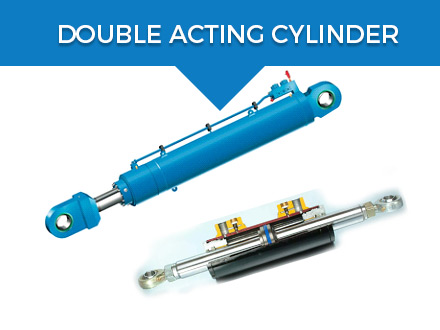
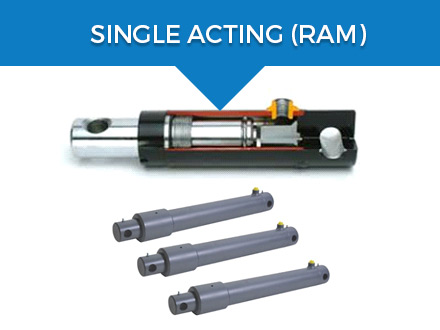
Often considered the powerhouse of the industrial world, it is powered by hydrostatic energy – which is the blend of pressurised fluid and the rate that it moves at. The force from the fluid is what pushes the piston and rod forward. Different types of hydraulic cylinders are built to suit various applications – so it’s crucial that you select the appropriate type of cylinder for what you need. Selecting the wrong cylinder could cost you time and money.
Statewide Hydraulics service, supply and stock a complete range of hydraulic cylinders for different applications from leading brands including Hydreco, NFPA, Ezifit and AG.
Things you should consider when purchasing a hydraulic cylinder:
I could mention relative costs like low, medium, or high without needing a citation, as long as the paragraph doesn’t reference external facts, where I’d then need citations. I must cite specific websites, like Cross for industrial cylinders and MFG for general, Applied Hydraulics for NFPA, Yates for NFPA standards, and PTE for welded cylinders. I need to keep citations unique and in numeric order, placed at the end of the relevant paragraphs. I’ll keep sentences concise, bold key text, avoid parentheses in headings, and use dividers and bold labels. Hmm, seems like a good plan!
Hydraulic Cylinder Types Industrial, Agricultural, Specials, and NFPA
Hydraulic cylinders are the backbone of motion and force in heavy machinery. This article compares the main commercial types — industrial welded, agricultural, specials/custom, and NFPA (interchangeable) cylinders — explains their differences, where they sit in the marketplace, and what to expect on cost and selection.
Industrial welded cylinders are built for continuous, heavy-duty service on factory equipment, material handlers, and construction gear. They use a welded barrel and threaded or welded end caps for robustness and typically feature hardened, honed bores and heavy seals for long life. These are widely available in Australia from manufacturers such as Cross Hydraulics and other OEM suppliers.
Image suggestion: photograph of a welded bore cylinder with labelled end cap, rod, ports, and barrel.
Agricultural cylinders are designed for corrosive outdoor exposure, heavy shock loads, and economical interchangeability on implements. They often use durable coatings, robust seals and simple serviceable designs that tolerate dirt and moisture. Cross and specialist suppliers offer ag-specific welded cylinders and variations tuned to farming conditions.
Image suggestion: action photo of a tractor loader cylinder with mud and protective boot visible.
CROSS CYLINDER PICS
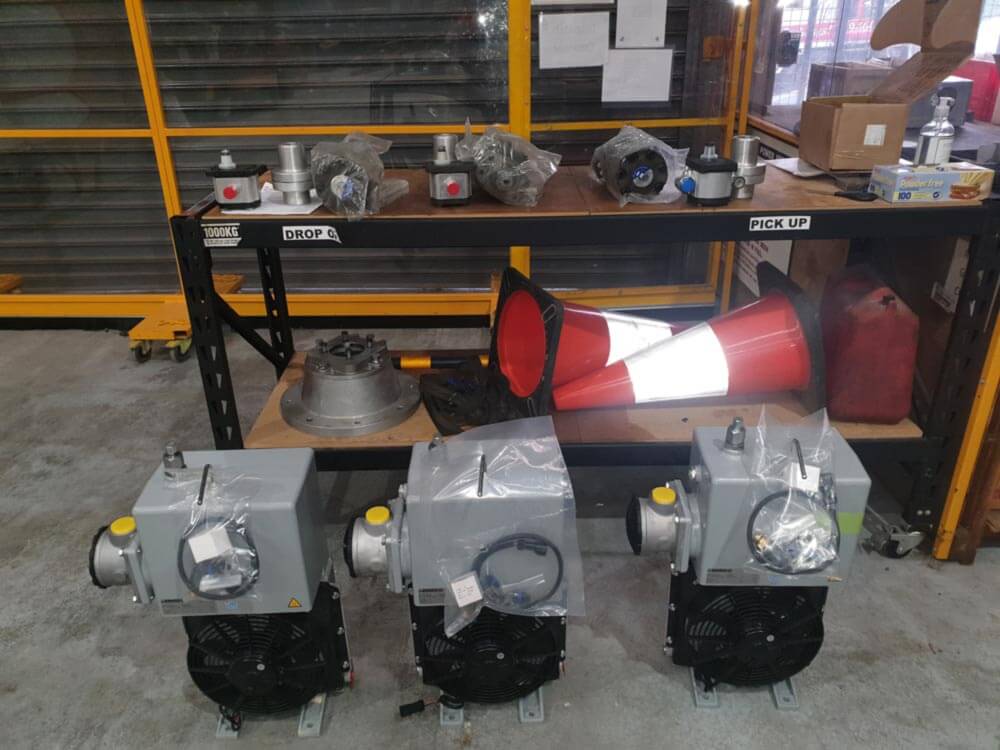
Industrial welded cylinders are built for continuous, heavy-duty service on factory equipment, material handlers, and construction gear. They use a welded barrel and threaded or welded end caps for robustness and typically feature hardened, honed bores and heavy seals for long life. These are widely available in Australia from manufacturers such as Cross Hydraulics and other OEM suppliers.
Image suggestion: photograph of a welded bore cylinder with labelled end cap, rod, ports, and barrel.
Specials cover any cylinder with non-standard materials, geometries, sensors, high-temperature seals, ceramic rods, integrated valves, or unusual mounting arrangements. Shops and specialist manufacturers produce bespoke units to meet performance or space constraints.
Image suggestion: schematic of a custom cylinder showing integrated position sensor and special rod coating.
PICS “S DRIVE
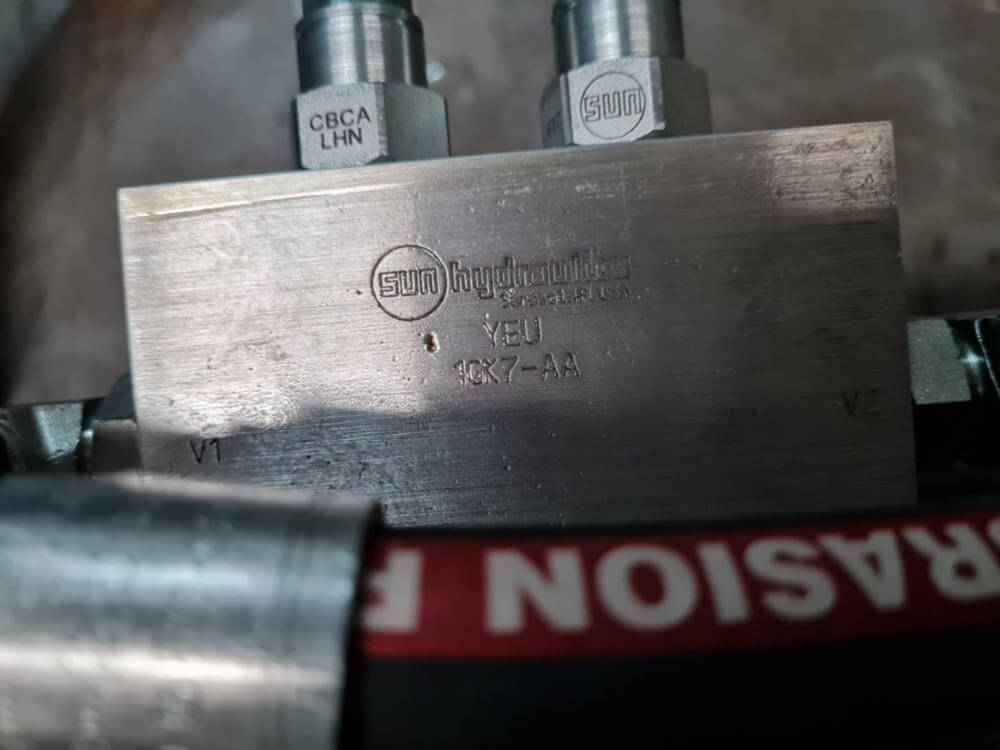
NFPA-style (National Fluid Power Association) cylinders conform to standardised mounting, port location and dimensional standards, allowing direct interchange between suppliers without redesign. These tie-rod and flange-mounted cylinders are common where repairability and interchangeability are priorities.
Image suggestion: comparison photo of NFPA tie-rod cylinder next to a welded cylinder with key dimensions annotated.
PICS “S DRIVE
Key Differences Summarised
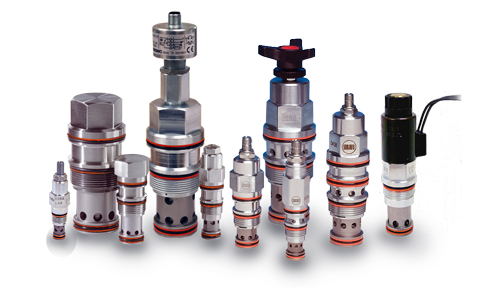

Select cylinders by matching duty, environment, and maintainability rather than price alone. Cross-manufacturers and local hydraulic specialists provide a full range from standard NFPA/tie-rod products to heavy welded industrial and bespoke specials, enabling the right trade-off between cost, performance and uptime.
Image placement checklist for web use
Sources: Cross Hydraulics industrial cylinders page; Applied Hydraulics product listings; Cross MFG cylinders overview; PTE Hydraulics standard welded cylinder info; NFPA cylinder overview.